
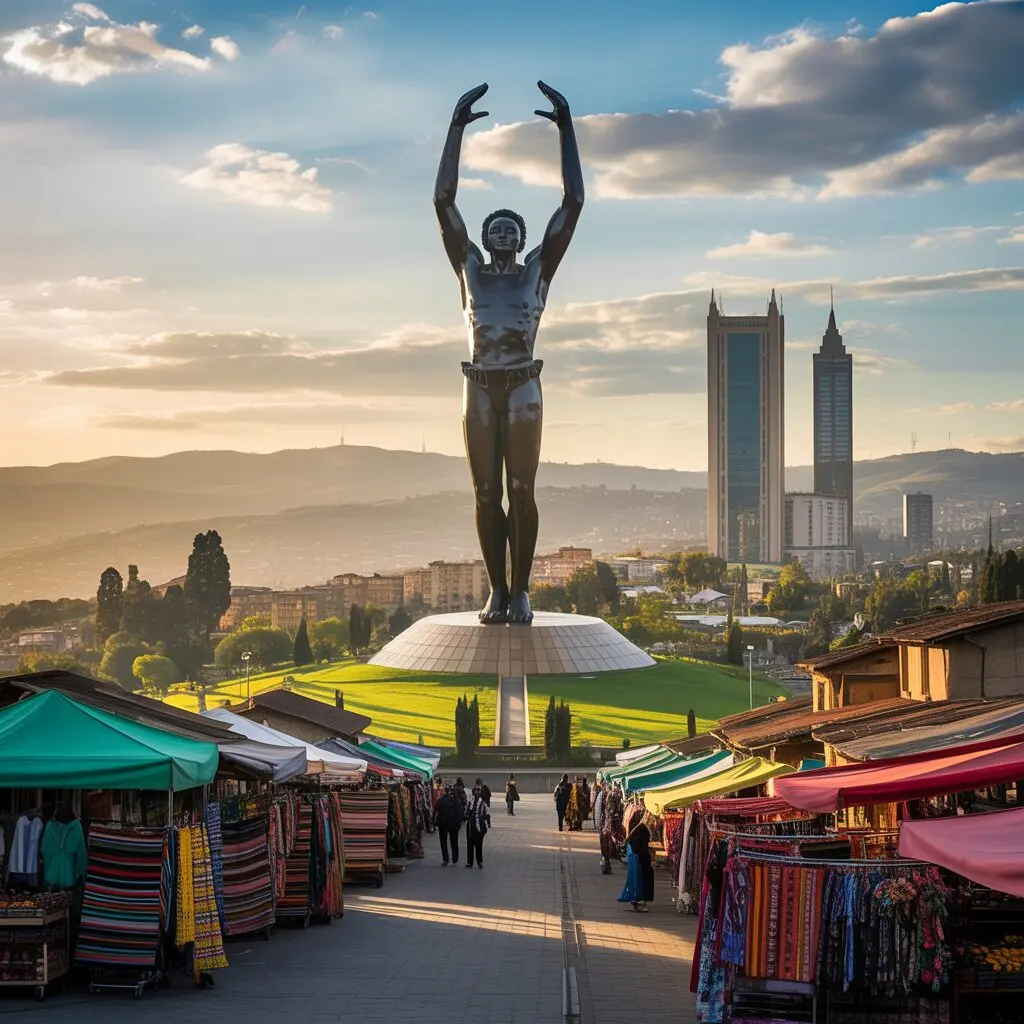
Ethiopia rewards careful preparation: one airport for eVisa arrivals, a local currency that is hard to get outside the country, and a climate that changes with altitude. These practical notes complement our visa guides.
Before You Fly: Visa and Documents
- Apply for the eVisa on evisa.gov.et at least one week before departure (processing time)
- Passport valid for at least 6 months from the date of entry
- Printed eVisa or a copy on your phone, plus a return or onward ticket
- Hotel booking or your host’s address in Ethiopia
- Yellow fever certificate if you arrive from or transit through a yellow fever risk country
Full list: Ethiopia eVisa requirements.
Arriving at Addis Ababa Bole International Airport
All eVisa holders must enter through Bole International Airport. Go to the immigration counter for eVisa holders, show your passport and eVisa, get your passport stamped and continue to customs. Travelers without an eVisa can buy a visa on arrival, paid in USD, EUR, GBP or CAD, but should expect longer queues.
Money in Ethiopia
- The currency is the Ethiopian Birr (ETB)
- ATMs are available in Addis Ababa but scarce outside major cities
- Carry some US dollars in clean, undamaged notes for emergencies
- Tell your bank about your trip so card payments are not blocked
Language and Time
Amharic is the official language; English is widely spoken in business and tourism. Ethiopia uses East Africa Time (UTC+3) and does not change clocks for daylight saving time.
Climate and When to Go
The climate depends on the region and altitude. Addis Ababa is mild all year, while the Danakil Depression is one of the hottest places on Earth. December-January, Easter and the Meskel festival are busy periods, when eVisa processing can also take 1-2 days longer.
Places Travelers Visit Most
- Lalibela – rock-hewn churches
- Simien Mountains – highland trekking
- Omo Valley – southern region popular for cultural trips
- Danakil Depression – extreme desert landscapes
Planning to cross into Djibouti or Kenya and come back? Tourist eVisas are single entry, so you will need a new eVisa (visa types explained).
Safety and Health
Check your government’s current travel advisory before the trip, as some regions may have travel restrictions. Travel insurance is not required for the eVisa but is strongly recommended.
Start with the Ethiopia eVisa overview or go straight to the application guide.
Last updated: October 2026.
